


Plate Processing Company
What Are the Differences between Hot-Rolled and Cold-Rolled Steel Plates
What Are the Differences between Hot-Rolled and Cold-Rolled Steel Plates
Have you ever ordered steel plates and been asked "hot rolled" or "cold rolled"? It sounds confusing, but it is actually pretty simple once you understand what each one means.
Knowing the difference between hot-rolled vs. cold-rolled steel plates in Houston helps you pick the right material for your job and avoid costly mistakes.
What Is Hot-Rolled Steel?
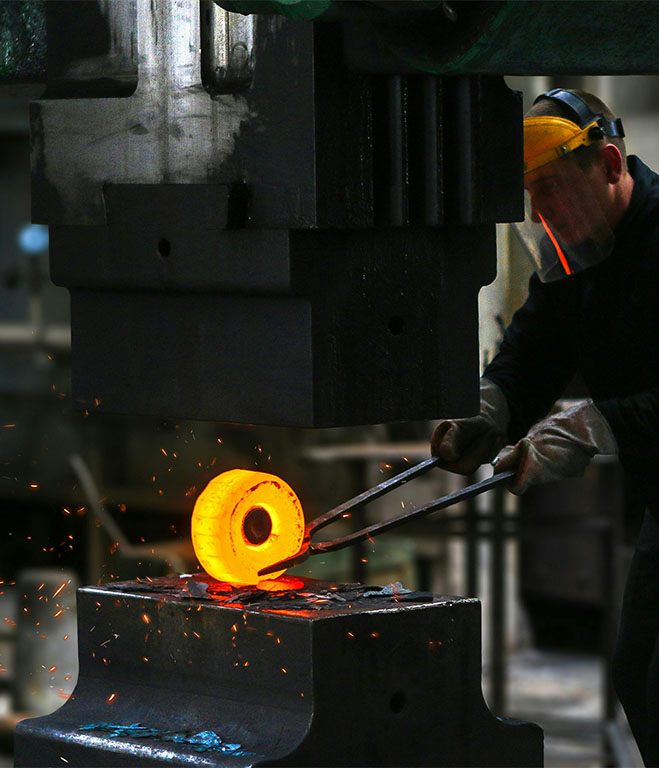
Hot rolled steel is made by heating steel to very high temperatures, over 1,700 degrees Fahrenheit, and then shaping it while it is still hot. Once shaped, it cools down on its own at room temperature.
Because it shrinks a little as it cools, the size is not always perfectly exact. The surface also comes out rough and scaly, which is called mill scale. But here is the good part: hot-rolled steel plates in Houston cost less to make.
That makes them a great choice when you do not need a perfectly smooth surface or super precise measurements.
What Is Cold-Rolled Steel?
Cold rolled steel actually starts as hot rolled steel. After the first round of rolling, it gets cooled down and then rolled again at room temperature.
This extra step makes the steel stronger, smoother, and more precise in size. More work means a higher price, of course. But if your project needs clean surfaces and exact dimensions, cold-rolled steel plates in Houston are worth it.
Key Differences between Hot-Rolled and Cold-Rolled Steel Plates
Here is a simple side-by-side look:
Surface Finish: Hot rolled steel has a rough, scaly surface. Cold-rolled steel is smooth and clean, much nicer to look at and easier to work with.
Dimensional Accuracy: Cold-rolled steel is more precise in size. Hot rolled steel can vary slightly because it shrinks as it cools.
Strength: Cold-rolled steel is stronger because of the extra rolling process, which is called work hardening. Cold rolled steel plates come out tougher than hot rolled ones of the same grade.
Cost: Hot rolled steel costs less because it goes through fewer steps. For big structural jobs, hot-rolled carbon steel plate processing in Houston is the smarter, more affordable choice.
Applications: Hot rolled steel is used in construction, rail tracks, and heavy industrial work where a perfect surface does not matter. Cold rolled steel works better for car parts, appliances, and anything that needs a cleaner finish and tighter sizing.
Which One Should You Choose for Your Project?
Ultimately, the choice depends on the specific requirements of your job.
If your project involves heavy structural work where the plates will be welded, cut, or concealed within a larger assembly, hot rolled steel is typically the preferred choice. The slightly rough surface and looser sizing do not matter much in those situations, and you save money.
If your project needs a smooth finish, exact sizing, or extra strength in a thinner plate, cold-rolled steel is the better pick.
Manufacturing precision parts and anything with a visible surface usually benefit from cold-rolled material.
Not sure which one to get? Just talk to your steel processor.
Frequently Asked Questions
1. What is the main difference between hot-rolled vs. cold-rolled steel plates in Houston?
Hot rolled steel plates in Houston are made at high temperatures and have a rougher surface with looser sizing. Cold rolled steel plates go through extra processing for a smoother finish, tighter dimensions, and greater strength.
2. Which is cheaper, hot-rolled or cold-rolled steel plates in Houston?
Hot rolled steel plates in Houston cost less because they need less processing. Cold rolled steel costs more but gives you better surface quality and more precise sizing.
3. Can Apache Steel Works cut both hot-rolled and cold-rolled steel plates in Houston?
Yes. We cut both hot-rolled and cold-rolled carbon steel and stainless steel plates in Houston using our CNC oxy-fuel and CNC HD plasma systems, giving you clean and precise results on every job.