



Plate Processing Company
How to Reduce Scrap Rates in Sheet Metal Fabrication Projects
How to Reduce Scrap Rates in Sheet Metal Fabrication Projects
Scrap in a sheet metal fabrication shop costs money in two ways. The material itself is lost, and the labor time spent producing that material is also lost. When scrap rates are high, the effect on project profitability is significant.
The good news is that most scrap in sheet metal fabrication comes from predictable, addressable causes. Understanding what drives waste and applying the right controls can bring scrap rates down meaningfully without requiring a complete overhaul of existing operations.
This blog covers:
- Where scrap in sheet metal fabrication actually comes from
- How nesting optimization reduces material waste
- Process controls that prevent fabrication errors
- Lean manufacturing approaches applicable to metal shops
- How better material utilization lowers raw material cost savings
- Inspection and feedback practices that close the loop
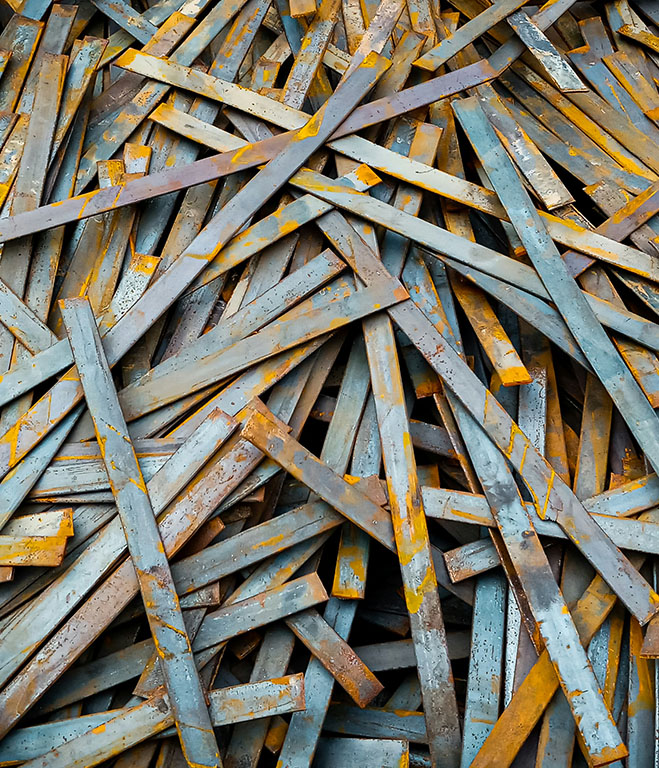
Where Scrap in Sheet Metal Fabrication Actually Comes From
Before addressing scrap, it helps to know what is causing it. In most fabrication operations, scrap comes from a mix of sources:
Nesting inefficiency is one of the largest contributors to material waste. If parts are laid out on sheets without optimizing their arrangement, significant usable material ends up as offcuts.
Dimensional errors produce parts that are out of spec and cannot be used. These often stem from incorrect tooling setup, worn tooling, or inaccurate programming.
Material defects in incoming stock sometimes cause rejection after cutting or forming. If incoming material is not inspected, defective material works its way into production and generates scrap at a later stage.
Machine setup errors on first pieces produce scrap while the process is being dialed in. Reducing the number of setups and improving setup documentation reduces first-piece scrap.
Operator variability introduces inconsistency when steps depend on manual judgment without clear process guidance.
Identifying which of these is the primary driver in a specific operation is the first step toward meaningful improvement.
Process Controls That Prevent Fabrication Errors
Most dimensional scrap comes from process errors that were predictable and preventable. Effective production waste reduction requires putting controls in place that catch errors before they propagate into finished scrap.
First article inspection
Checking the very first part before running the full production batch helps catch setup problems early. If something is off, it’s much easier and cheaper to fix after one part than after an entire run has already been completed.
In-process measurement
Measuring important dimensions during production helps catch problems before they turn into a large amount of scrap. This becomes especially important on longer runs where tooling wear gradually changes the cut or forming accuracy over time.
Documented setup procedures
When setup settings and procedures are written down properly, repeat jobs become much more consistent. Operators have a clear starting point instead of rebuilding the setup from memory every time, which reduces both setup errors and wasted material.
Statistical process control
In higher-volume fabrication work, tracking measurements over time helps spot trends before parts actually go out of tolerance. Instead of reacting after scrap happens, the process can be adjusted while it’s still drifting toward a problem.
Lean Manufacturing Metalwork Principles That Apply to Fabrication Scrap
A lot of scrap reduction comes down to improving the overall process, not just fixing individual mistakes.
Value stream mapping
Following the material through each production stage helps show where waste is actually happening. Sometimes the biggest scrap problems are not where people initially assume they are.
5S workplace organization
An organized workspace makes mistakes less likely. When tools, fixtures, and materials are easier to identify and access, operators spend less time searching and are less likely to grab the wrong setup or material.
Kaizen and continuous improvement
Small process improvements tend to add up over time. Shops that encourage operators to point out recurring issues and suggest process changes usually improve consistency faster than shops that only troubleshoot after problems appear.
Standardized work
Defining the correct sequence and method for each fabrication operation reduces the variability that comes from each operator doing things differently. Standardized work documents capture best practice and make it repeatable.
Error-proofing (poka-yoke)
Designing fixturing, tooling, and processes so that mistakes cannot easily be made prevents entire categories of scrap. For example, fixturing that only accepts a part in the correct orientation prevents misloading errors.
Improving Material Utilization Beyond Nesting
Fabrication scrap control extends beyond nesting. Several additional practices improve overall material utilization.
Incoming material inspection
Checking material before it enters production helps avoid bigger problems later. Thickness variation, surface damage, or dimensional issues in incoming stock often turn into scrap once cutting or forming starts if they are not caught early.
Offcut inventory management
Usable offcuts still have value if they’re tracked properly. Shops that keep organized records of leftover material are usually able to reuse more of it on future jobs instead of letting it pile up and eventually go to scrap.
Job scheduling for material sharing
Running jobs with the same material type and thickness close together can reduce waste quite a bit. Leftover material from one run may be large enough to feed directly into the next job instead of opening a new plate or sheet.
Accurate cut programming
Programming mistakes waste material fast. Wrong dimensions, incorrect kerf settings, or bad material parameters can turn an entire run into scrap. Verifying programs against the drawings before production starts usually prevents a lot of avoidable waste.
Inspection and Feedback Practices That Close the Scrap Reduction Loop
Reducing scrap is usually an ongoing process rather than a one-time correction. The shops that improve over time are the ones that consistently track where problems are coming from.
Scrap tracking by cause
Recording why scrap happens helps show patterns that would otherwise get missed. Over time, it becomes easier to see which problems are creating the most waste and where improvement efforts should focus first.
Defect review meetings
Regularly reviewing scrap data keeps quality issues visible instead of letting them fade into day-to-day production. It also helps make sure corrective actions actually get followed through.
Supplier feedback
Sometimes the problem starts before production even begins. If incoming material quality keeps creating issues, feeding that information back to suppliers helps improve consistency at the source.
Machine maintenance records
Equipment condition affects scrap rates more than people sometimes realize. Looking at maintenance history alongside production quality often helps identify machines that are introducing recurring problems into the process.
Conclusion
To reduce scrap in sheet metal fabrication, operations need to understand what is driving scrap, apply nesting optimization to improve material use, implement process controls that catch errors early, and build feedback loops that sustain improvement over time.
Each of these steps is practical and does not require large capital investment. The biggest gains typically come from better nesting software, first article inspection, documented setups, and consistent scrap tracking. Applied systematically, these practices deliver meaningful reductions in material waste and real raw material cost savings on every project.
Frequently Asked Questions
What is a realistic target for scrap rate improvement in a sheet metal fabrication shop?
Scrap rate improvement targets depend on the starting baseline and the specific process. Many shops achieve 15-30% scrap reduction through nesting optimization alone. Adding process controls and first article inspection can reduce total scrap by 40-50% over time. The most important step is establishing accurate baseline measurement so that improvement can be tracked objectively.
How does kerf width affect material utilization in plasma or laser cutting?
Kerf width is the amount of material removed by the cutting process. Wider kerf means more material is consumed between parts, reducing the total number of parts from a given sheet. Laser cutting produces narrower kerf than plasma cutting, which improves material utilization for operations where the kerf width is a significant fraction of part spacing. Nesting software uses accurate kerf width values to produce reliable material utilization estimates.
Can scrap from sheet metal fabrication be recycled, and does recycling offset its cost?
Sheet metal scrap can typically be recycled as metal. The revenue from scrap sales partially offsets the cost of the lost material but rarely covers the full material cost, and it does not recover the labor cost of producing the scrap. Recycling is a sensible way to recover some value from unavoidable scrap, but it should not be treated as an alternative to reducing scrap generation in the first place.