



Plate Processing Company
How Improper Stainless Steel Handling Leads to Corrosion Before Installation
How Improper Stainless Steel Handling Leads to Corrosion Before Installation
If you work with stainless steel in Houston, you expect it to resist corrosion. That expectation makes sense. But corrosion can still show up before installation when teams handle stainless steel the wrong way.
This issue surprises many contractors and engineers. It also creates delays, rework, and uncomfortable conversations with inspectors. Most of the time, the problem starts long before the plate reaches the job site.
Let’s talk about how handling affects stainless steel and what plate processing teams can do to avoid early corrosion.
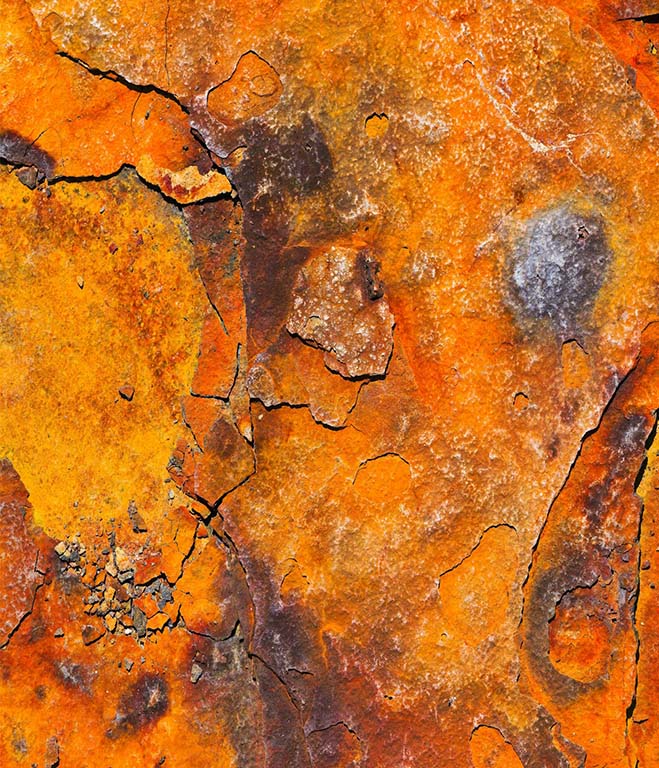
Stainless steel still needs proper handling
Stainless steel resists corrosion because it forms a thin protective layer on its surface.
That layer needs oxygen and clean conditions to stay intact.
Improper handling damages that protective layer. Once damage happens, corrosion starts faster than many people expect.
Houston humidity and coastal air add pressure to that surface. That environment exposes handling mistakes quickly.
Carbon steel contact causes hidden problems
One of the biggest causes of early corrosion comes from contact with carbon steel.
Forks, chains, tables, and racks often touch both materials. Tiny carbon steel particles transfer onto stainless steel surfaces. Those particles rust. That rust spreads and stains the stainless plate.
Many crews assume the stainless steel itself rusted. In reality, contamination caused the problem.
Dirty gloves and tools make it worse
Handling stainless steel with dirty gloves causes issues fast. Gloves pick up oil, grit, and iron dust from other jobs.
Shared grinding wheels and wire brushes cause even more trouble. These tools embed iron particles into stainless surfaces. Corrosion then shows up near cut edges, drilled holes, and marked areas.
These marks often appear before installation even begins.
Improper storage invites moisture damage
Storage conditions matter more than most people think. Plates stacked directly on concrete absorb moisture. Outdoor storage without airflow traps humidity. Plastic covers trap condensation when temperatures change.
That moisture attacks damaged surfaces first. Houston weather accelerates the process.
Plate processing creates vulnerable zones
Cutting, drilling, and marking expose fresh metal. These areas need clean handling right away.
Thermal cutting leaves heat affected zones. Drilling and milling expose raw edges. Marking tools press contaminants into the surface. Without clean processing habits, corrosion starts at these exact spots.
This risk explains why stainless steel plate processing in Houston need strong handling discipline.
How Proper Plate Processing Reduces Corrosion Risk
Good plate processing protects stainless steel before it leaves the shop.
- Clean tables keep carbon steel away from stainless jobs.
- Dedicated tools reduce contamination.
- Proper edge cleanup removes heat tint and residue.
- Dry storage keeps moisture from sitting on plates.
At Apache Steel Works, teams focus on controlled handling during cutting and drilling. That focus helps stainless plates reach job sites clean and ready.
This approach supports stainless steel plate processing services in Houston that value reliability over shortcuts.
Final thoughts
Stainless steel does its job when teams do theirs. Handling mistakes hide until corrosion shows up.
Simple habits prevent most problems. Clean tools, clean storage, and careful plate processing matter more than people expect.
For stainless steel plate processing services in Houston, attention to handling protects every project downstream.
FAQs
Can stainless steel corrode without exposure to chemicals?
Yes. Moisture, iron contamination, and surface damage can trigger corrosion without chemicals.
Do cut edges corrode faster than flat surfaces?
Yes. Cut edges expose fresh metal and heat affected zones that need careful handling.
Does indoor storage fully prevent corrosion?
No. Indoor storage helps, but poor airflow, condensation, and contamination can still cause issues.