


Plate Processing Company
From Flat Plate to Final Shape: How Houston Plate Forming Solutions Work
From Flat Plate to Final Shape: How Houston Plate Forming Solutions Work
Plate forming solutions in Houston take flat steel sheets and turn them into curved tanks, round cylinders, and special shapes used in factories and industries. Learning how this works helps businesses pick the right manufacturing options for their projects.
This guide explains plate forming in simple terms and shows why it matters for Houston's industrial businesses.
What Does Plate Forming Really Mean?
Plate forming bends and shapes metal without cutting pieces off or adding extra material. Imagine bending a thick piece of cardboard into a tube, but instead of cardboard, workers use heavy steel plates. The amount of metal stays the same; only the shape changes.
Strong machines apply force to bend the steel into permanent new shapes. Once the metal bends past a certain point, it stays in that new form forever. This happens because the pressure pushes the steel beyond its natural ability to spring back.
Starting with Flat Steel Plates
Every custom plate forming project in Houston starts with completely flat steel sheets. These plates come in different thicknesses based on how strong the final piece needs to be. Thicker steel needs more power to bend, but makes tougher finished products.
The steel quality makes a big difference in results. Good steel plates have the same strength and properties all the way through. Weak spots or uneven areas can create problems when machines try to shape the metal.
The Role of Heavy Machinery in Plate Forming Solutions
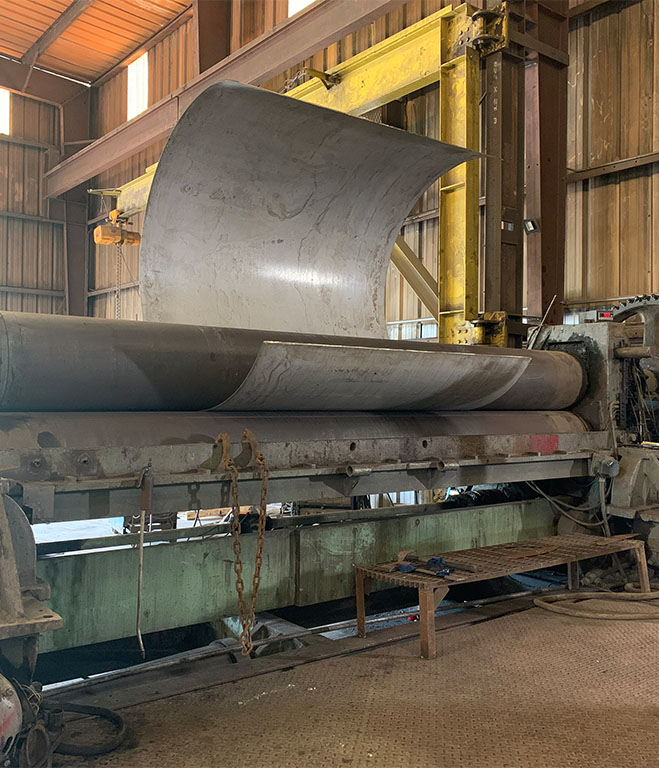
Industrial plate rolling in Houston uses giant, powerful machines to do the work. These machines create enough force to bend thick steel plates into permanent curves and angles. The equipment must be strong enough to handle the weight and pressure without breaking.
Modern shops use several types of forming machines. Plate rolls bend metal into circles and cones. Press brakes make sharp, exact angles. Each machine type works best for different kinds of bends and shapes.
How the Plate Forming Solutions Process Works?
Workers feed steel plates through large rollers or place them under hydraulic presses. The machine applies huge amounts of pressure that force the metal into the shape needed. Sometimes the plate goes through the machine multiple times to get the curve just right.
Steel plate fabrication experts watch and control the pressure, speed, and position carefully during forming. Even tiny changes in these settings can make big differences in how accurate the final product turns out. Skilled operators know how to adjust the machines based on how the metal behaves.
Handling High-Stress Applications
Some plate forming applications in Houston need to create parts that hold up under tough conditions. Equipment for oil refineries, pressure tanks, and building supports all require extra strength. The forming process must shape the steel without making it weaker.
Good forming techniques can actually make the metal stronger in certain directions. The controlled bending improves how the steel handles force. Bad forming methods create weak spots that might break when put under heavy loads.
Conclusion
Technology keeps improving how shops form steel plates. Computer controls make measurements more accurate and reduce human errors. Advanced machinery can handle larger plates and create more complex shapes than older equipment could.
Automation helps with repetitive forming tasks while skilled workers focus on custom and difficult projects. This combination of technology and human expertise produces better results and keeps plate-forming solutions in Houston competitive in modern manufacturing.
Frequently Asked Questions
Q1: How thick can steel plates be for forming processes?
Plate-forming equipment in Houston handles various thicknesses depending on the machinery and technique used. Standard equipment works with plates from thin gauge up to several inches thick.
Q2: What's the difference between plate forming and plate fabrication?
Plate forming specifically refers to shaping metal through bending, rolling, or pressing without removing material. The process changes the plate's geometry while keeping its mass constant.
Q3: Can formed plates maintain their strength after shaping?
Properly executed plate forming maintains and sometimes enhances the material's structural properties. The controlled deformation process doesn't weaken the steel when done correctly with appropriate equipment and techniques.